

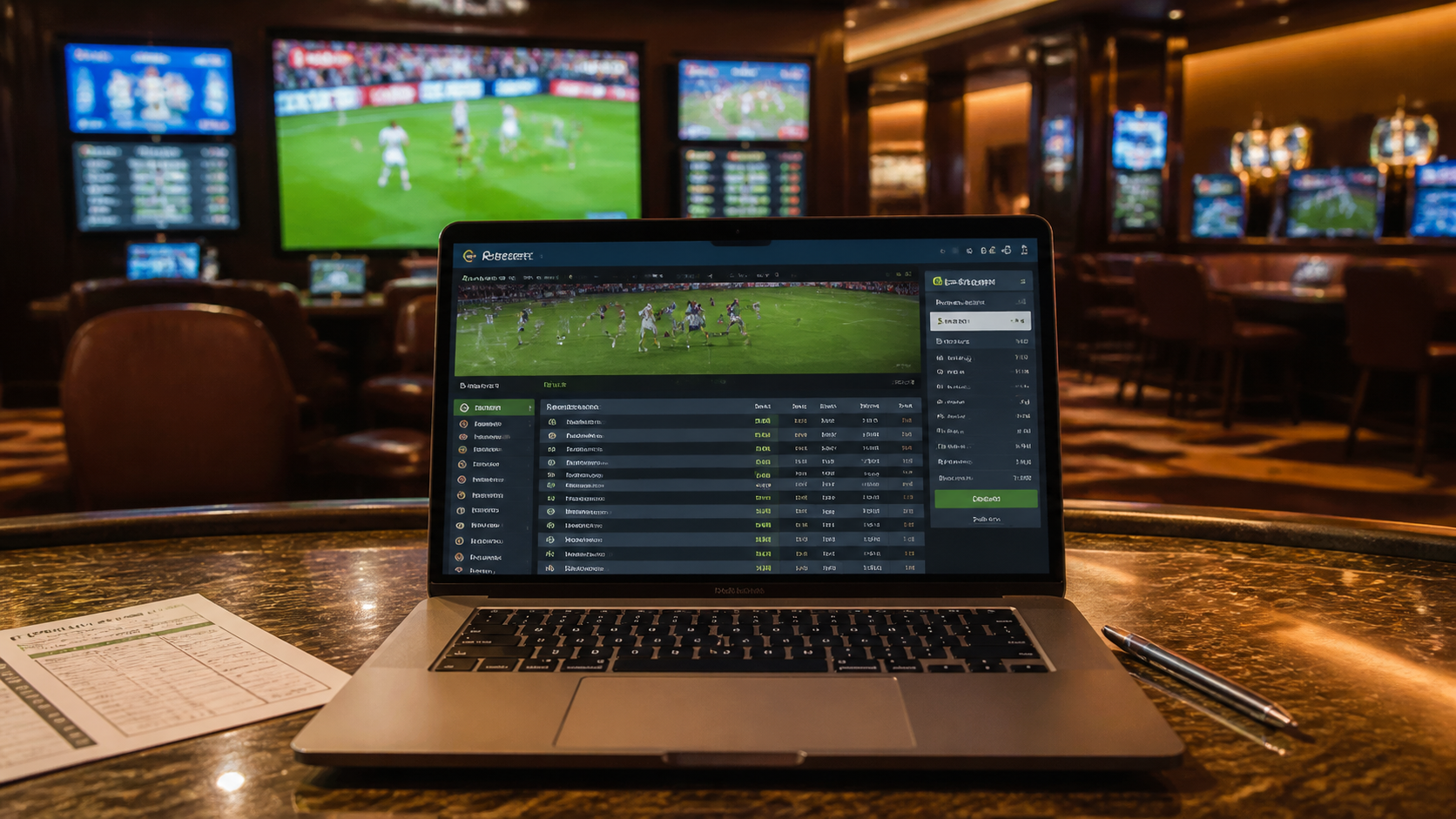
Sports betting has become a familiar part of the online entertainment landscape, and readers who are exploring this topic often want more than hype. They want a clear sense of how the market works, what to look for before placing a wager, and how to keep the experience orderly and realistic. That is especially true when interest is focused on online sports betting malaysia, where users may be comparing different platforms, betting options, and account features.
The most useful way to approach the subject is to treat it as a decision-making process rather than a quick gamble. A good bettor usually thinks about game knowledge, budgeting, platform usability, and the terms attached to each bet. That approach makes the experience easier to manage and helps readers avoid the common mistakes that come from rushing into a market they do not fully understand.
What online sports betting actually involves
At its core, online sports betting means placing a wager on a sporting outcome through a digital platform instead of a physical betting counter. The appeal is simple: users can review markets, compare prices, and place bets at their own pace. Still, the convenience should not hide the fact that every bet carries risk, and no outcome can be treated as certain.
For many readers, the first important step is understanding that sports betting is not only about predicting winners. It also includes reading market types, understanding odds, and deciding whether a particular wager offers sensible value. That value may come from a team matchup, a player performance market, a total-score line, or another format that fits the event being followed.
It also helps to think about sports betting as a discipline. A person who tracks results, stays within a budget, and avoids emotional decisions usually has a more stable experience than someone who bets impulsively. That does not remove the risk, but it does create a more controlled environment.
How to evaluate a betting platform
Not every platform is equally easy to use, and the practical differences matter. A clean interface, clear odds display, and simple bet slip functions can make a noticeable difference, especially for readers who are new to the process. Beyond appearance, the real test is whether the platform gives users enough clarity to make informed decisions.
One useful habit is to inspect how the site presents the basics. Does it clearly explain markets? Are the terms easy to read? Can users find help information without digging through clutter? A site that makes key details easy to locate usually creates less confusion during live betting or fast-moving events.
Features that deserve attention
- Readable odds and market labels
- Simple navigation across sports and event pages
- Clear settlement rules for different bet types
- Visible account and transaction controls
- Accessible support or help sections
These points may sound simple, but they are often what separates a smooth user experience from a frustrating one. Readers should also notice whether a platform feels balanced in the way it presents betting options. When everything is overcrowded or hard to compare, it becomes easier to make rushed choices.
Terms, limits, and practical restrictions
Before placing a wager, it is worth reviewing the terms that apply to deposits, withdrawals, and bet settlement. Restrictions may affect how funds move or how certain markets are treated, and users should not assume that every platform operates in the same way. Even small differences can matter once money is involved.
Responsible users typically prefer platforms that explain their rules in plain language. That does not guarantee a perfect experience, but it does reduce confusion and makes it easier to plan ahead.
Understanding odds and common bet types
Odds are the foundation of sports betting because they shape both the potential return and the implied probability of a result. Readers do not need to become mathematicians, but they do need a working understanding of what the numbers mean. Without that, it is difficult to judge whether a bet is attractive or simply familiar.
Different bet types suit different kinds of sports knowledge. Some users prefer straightforward match-winner wagers because they are easy to follow. Others look at totals, handicaps, or player-based markets because those options may fit a more detailed view of the event. The right choice depends on the sport, the available information, and the bettor’s comfort level.
A common mistake is treating every market as if it has the same level of uncertainty. In reality, some bets depend on a single result, while others rely on a sequence of events. The more moving parts a wager has, the more careful the reader should be when assessing it.
- Match-winner bets are usually the easiest to understand
- Total-score markets depend on overall game pace and scoring patterns
- Handicap-style bets may balance clear favorites and underdogs
- Player performance markets often need closer attention to form and role
Readers who take the time to understand these differences tend to make more measured choices. The goal is not to predict every outcome correctly, but to avoid betting on markets that are poorly understood.
Managing risk and betting with discipline
Any discussion of sports betting should include risk management, because risk is part of the activity from the start. A disciplined approach does not remove uncertainty, but it can help prevent one poor decision from dominating the experience. That is why many bettors think in terms of budget, timing, and emotional control before they think about potential profit.
One sensible practice is to separate betting funds from everyday money. This keeps the activity contained and makes it easier to track results honestly. It also reduces the temptation to chase losses, which is one of the most damaging habits in this space. Chasing losses can turn a manageable session into a stressful one very quickly.
Another useful habit is to set a plan before the event begins. That plan may include the size of each wager, the number of bets to place, and the point at which to stop for the day. A plan does not guarantee success, but it gives the bettor a framework that can reduce impulsive choices.
Signs of disciplined play
- Betting only from a set budget
- Avoiding emotional decisions after a loss
- Watching the sport for insight, not just for action
- Taking breaks when betting stops feeling enjoyable
- Reviewing past bets to spot repeating mistakes
These habits may seem basic, but they matter because they shape the long-term experience more than any single win or loss. The healthiest approach is usually the one that remains steady over time.
Making informed choices as a bettor
Sports betting becomes easier to handle when the user treats it as a series of informed decisions rather than a search for certainty. That means paying attention to the sport itself, the form of the teams or players involved, the available market options, and the terms attached to each wager. A bet that looks exciting at a glance is not always the one that makes the most sense.
It also helps to be selective. Not every match needs action, and not every market deserves attention. Many experienced bettors become more effective by placing fewer but more considered wagers. That restraint can be especially useful when the schedule is crowded and there is pressure to bet on every game.
For readers comparing platforms and strategies, the most practical takeaway is to stay curious but cautious. Learn how the markets work, read the terms carefully, and avoid assuming that short-term outcomes tell the whole story. That balanced mindset is often more valuable than any tip or shortcut.
When the experience is approached with patience and a clear sense of limits, online betting can remain more organized and less stressful. The focus should stay on understanding the product, managing risk, and keeping expectations realistic rather than chasing dramatic results.
Final thoughts on online sports betting malaysia
For readers interested in online sports betting malaysia, the most important skills are not complicated ones. Clear reading of odds, attention to platform terms, and sensible control over spending usually matter more than bold predictions. A disciplined bettor is often better positioned simply because they make fewer avoidable mistakes.
In the end, the best approach is the one that keeps the experience thoughtful and manageable. Stay informed, choose platforms carefully, and treat each wager as a decision that deserves a clear reason. That is the most reliable way to keep sports betting practical rather than chaotic.
