

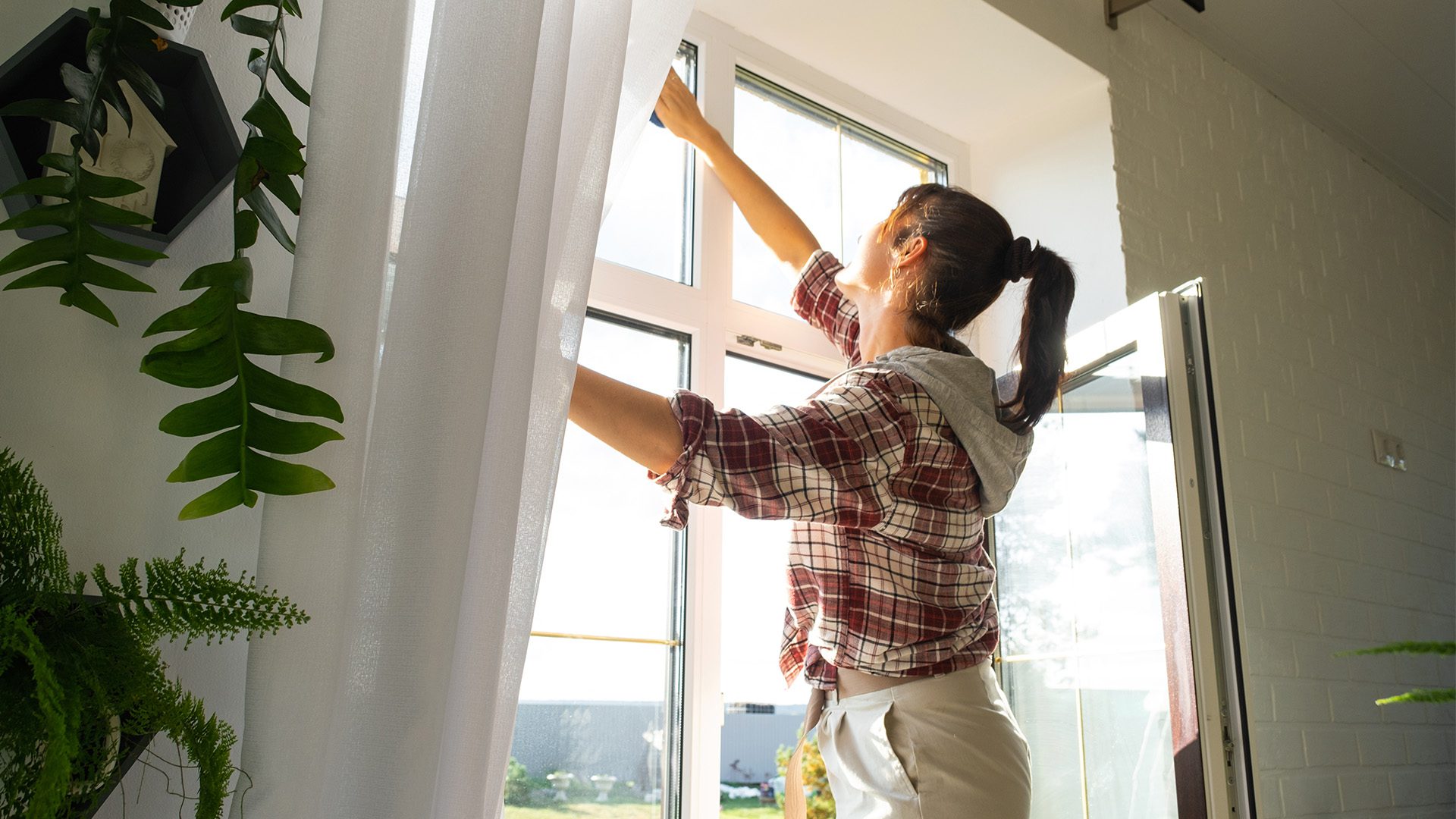
Choosing new windows can seem straightforward, but a window is much more than a frame and a pane of glass. The right choice can influence home security, ventilation, comfort, noise levels, maintenance requirements, and energy performance. For beginners, understanding the main components and features makes it easier to compare options and avoid costly mistakes.
Why Choosing the Right Windows Matters
Windows play an important role in the overall performance of a home. Poorly fitted or low-quality windows can allow unwanted drafts, moisture, dust, heat, or outside noise into living spaces. Modern window systems can provide better insulation and security when the frame, glazing, seals, hardware, and installation are properly matched.
Safety should also be considered from the beginning. A suitable window should be secure when closed while still providing appropriate ventilation and easy operation when required.
Start by Understanding Window Frame Materials
The frame is one of the first decisions homeowners need to make. Common choices include uPVC, aluminium, timber, and composite materials.
uPVC is widely used because it is resistant to moisture, requires relatively little maintenance, and can provide good thermal insulation. Aluminium can offer slim profiles and a contemporary appearance, while timber provides a traditional aesthetic but generally requires more maintenance.
Rather than selecting a material based only on appearance, consider your local climate, maintenance expectations, budget, and desired insulation performance.
Pay Attention to the Glass
Glass can have a major effect on a window’s performance. Single glazing may be appropriate for certain situations, but double glazing uses two panes separated by a sealed cavity and can provide improved thermal and acoustic performance compared with basic single glazing.
Homeowners can also investigate options such as:
- Low-E glass for improved control of heat transfer
- Laminated glass where additional safety and acoustic performance are desired
- Tempered glass where increased glass strength is important
- Tinted or solar-control glass for managing glare and solar exposure
- Double or triple glazing when higher insulation is a priority
The appropriate choice depends on the home’s location, window orientation, room requirements, and budget.
Consider Security Features
A safe home window should provide dependable protection when closed. Look for strong frames, quality hardware, secure handles, and appropriate locking systems.
Multi-point locking can secure an opening window at several locations rather than relying on one locking point. This can be particularly useful for ground-floor windows and other accessible openings. Security is not determined by the lock alone; the frame, glass, hardware, reinforcement, and installation all contribute to the finished system.
Choose the Right Window Style
Different window styles work better in different parts of a home.
Casement windows are hinged and can provide substantial ventilation when opened. Sliding windows are useful where space is limited because the sashes move horizontally. Tilt-and-turn windows offer flexible ventilation and can also make cleaning easier. Fixed windows do not open but can provide natural light and views.
Think about how each room is used before choosing a particular style. A kitchen may benefit from easy ventilation, while a staircase may primarily require natural light.
Look for Effective Sealing
A high-quality window can still perform poorly if it does not seal correctly. Gaskets, weather seals, glazing seals, and professional installation all contribute to keeping unwanted air and moisture outside.
When comparing quotations, ask what sealing system is included rather than assuming every window provides the same level of protection. The complete window system—not simply the frame—determines its final performance.
Think About Energy Efficiency
Energy efficiency is another important consideration for beginners. Efficient windows can help moderate indoor temperatures and reduce the workload placed on heating and cooling systems.
When evaluating performance, look for documented specifications rather than relying solely on marketing descriptions. Factors such as glass type, frame construction, U-factor, solar heat gain, installation quality, and climate compatibility can all influence performance.
For homes exposed to strong sunlight, the glazing specification deserves particular attention. A window that performs well in one climate or orientation may not necessarily be the ideal choice for another.
Do Not Overlook Hardware
Handles, hinges, rollers, restrictors, locks, and other hardware affect how a window operates every day. Poor-quality hardware may become difficult to operate or require replacement sooner than expected.
Ask the supplier to identify the hardware included in the quotation. Instead of accepting a vague description such as “premium hardware,” request specific information about the locking and operating components.
Installation Is Just as Important as the Window
Even an excellent window can lose performance when it is incorrectly installed. Incorrect measurements, inadequate sealing, poor alignment, or unsuitable fixing methods can create problems after installation.
For this reason, choose installers who understand the particular window system being supplied. A proper installation should leave the window securely positioned, correctly aligned, adequately sealed, and easy to operate.
Compare Complete Specifications, Not Just Prices
One of the most common beginner mistakes is choosing the lowest quotation without checking what is included.
Two apparently similar windows may have significant differences in:
- Frame profile
- Glass specification
- Number of panes
- Seals and gaskets
- Hardware
- Locking mechanisms
- Reinforcement
- Installation
- Warranty coverage
A lower price is meaningful only when the products and services being compared are genuinely equivalent.
Ask About Warranty and After-Sales Support
Before placing an order, ask what warranty is provided for the frame, glass, hardware, and installation. Also determine who will handle problems if a component stops working.
Clear documentation can make future maintenance much easier. A written quotation should ideally identify the window style, dimensions, frame material, glazing specification, hardware, finish, installation scope, and warranty terms.
Why Safe Homes Windows Can Be Part of Your Research
When researching window solutions, Safe Homes Windows can be included among the options you investigate. The important step is to evaluate any supplier based on the actual specifications of its proposed windows, installation approach, available glazing, hardware, warranty, and suitability for your property.
Rather than choosing solely because of a company name or attractive design, ask detailed questions and compare the complete solution with alternatives.
A Simple Beginner’s Checklist
Before ordering new windows, consider these questions:
- What frame material is being used?
- What type and thickness of glass is included?
- Would single, double, or triple glazing suit the property?
- Does the window have appropriate locking features?
- Are the seals and gaskets clearly specified?
- Is the window suitable for the room where it will be installed?
- Who will carry out the installation?
- What warranty is provided?
- What maintenance will be required?
- Are the quotation and specifications provided in writing?
Final Thoughts
Choosing safe home windows does not have to be complicated. Start with the basics: frame quality, glazing, security, seals, hardware, ventilation, energy performance, and professional installation. Then compare complete specifications rather than focusing only on the initial price.
Taking time to understand these factors can help beginners select windows that provide a practical balance of safety, comfort, appearance, durability, and long-term value.
