

Imagine beginning your morning sipping coffee aboard a comfortable train winding through the Sacred Valley, then spending your afternoon trekking authentic Inca stonework through cloud forests, and finally emerging at the Sun Gate to witness Machu Picchu materializing from the mountain mist. This is the magic of the 2-day short Inca Trail by train, an adventure that seamlessly weaves modern transportation with ancient pilgrimage routes to create an experience that honors both efficiency and authenticity.
This hybrid journey has revolutionized access to one of the world’s most coveted trekking experiences, making it possible for travelers with limited time or those who prefer selective comfort to walk the legendary Inca Trail without sacrificing the essential elements that make this journey extraordinary.
The Train Journey: Where Your Adventure Truly Begins
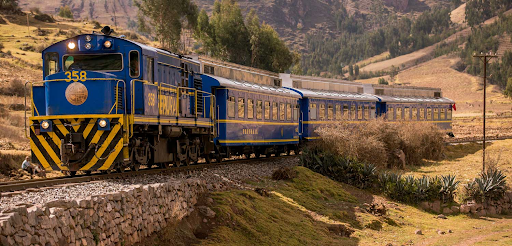
The railway route from Cusco through the Sacred Valley to your trailhead represents far more than simple transportation; it’s an integral component of your adventure that sets the stage for everything that follows. Most departures originate from Ollantaytambo or Poroy station in the early morning, with panoramic windows framing views that would justify the train ride as a destination in itself.
As the train follows the Urubamba River deeper into the valley, you’ll watch the landscape transform. Terraced agricultural fields that have fed communities for centuries climb impossible slopes. Traditional Andean villages with adobe homes appear and disappear. Snow-capped peaks of the Vilcabamba mountain range dominate the horizon, their glaciers feeding the river that carved this dramatic valley over millennia.
The train service itself ranges from tourist-class comfort to luxury options with gourmet meals and observation cars. Regardless of which tier you select, the journey covers approximately 90 minutes to two hours, providing ample time to acclimatize mentally to the adventure ahead while your body adjusts to the changing altitude and environment.
Kilometer 104: Where Wheels Meet Trail
Your train stops at Kilometer 104, a remote location accessible only by rail where civilization abruptly transitions to wilderness. This isn’t a traditional station with platforms and facilities; it’s essentially a checkpoint beside the tracks where trekkers disembark, permits are verified, and the walking journey begins.
Crossing the footbridge over the rushing Urubamba River marks your symbolic departure from the modern world and entry into Inca territory. The contrast is immediate and striking. One moment you’re aboard a contemporary train with comfortable seats; the next you’re standing on ancient stone pathways that have existed for over five centuries, with nothing but your legs, your pack, and the trail ahead.
This transition point represents what makes the train-assisted Short Inca Trail so appealing it eliminates redundant travel time while preserving the authentic trekking experience. You haven’t missed meaningful trail sections; you’ve simply optimized your route to focus on the most spectacular and historically significant portions.
Day One: Ascending Through Time and Ecosystems
The initial hours involve steady climbing through changing ecological zones. You’ll begin in subtropical vegetation where butterflies dance between wildflowers and hummingbirds investigate blossoms with fearless curiosity. The trail ascends through sections where Inca engineers carved pathways directly into mountainsides, demonstrating engineering capabilities that continue impressing modern architects and archaeologists.
Chachabamba appears as your first archaeological reward, its ceremonial baths and agricultural terraces demonstrating the sophisticated water management systems the Incas mastered. Your guide will explain how these sites functioned within the broader empire while you hydrate and prepare for the continued ascent.
The climb intensifies as you gain altitude, but the trail’s design includes natural rhythm. Steep sections alternate with gentler grades. Stairs carved from single stones lead to relatively flat pathways. The Incas understood that sustainable mountain travel requires thoughtful pacing, and their engineering reflects this wisdom.
After approximately three hours of hiking, Wiñay Wayna emerges as a spectacular reward for your efforts. This expansive archaeological complex cascades down the mountainside in a series of perfectly preserved terraces, residential areas, and ceremonial spaces. The site’s name translates to “forever young,” referencing the orchids that bloom perpetually in this microclimate. Lunch is typically served near here, allowing extended time to explore and photograph this remarkable location that many consider the highlight before Machu Picchu itself.
The afternoon section follows relatively level terrain through pristine cloud forest. This is where the trail’s beauty shifts from architectural marvels to natural wonders. Moss-draped trees create a prehistoric atmosphere. Native birds call from the canopy. The path itself becomes a work of art ancient stones fitted together with precision, designed to endure centuries of rainfall and foot traffic without modern maintenance.
The Sun Gate Revelation
Inti Punku, the Sun Gate, appears after approximately five to six hours of total trekking. This stone gateway once served as a checkpoint controlling access to Machu Picchu, and crossing through it today still feels ceremonially significant. Then comes the view that justifies every uphill step and every bead of sweat: Machu Picchu sprawled across its mountain ridge, exactly as countless photographs have depicted but somehow utterly different when you’ve earned the view through physical effort.
The late afternoon light typically provides excellent photography conditions and notably fewer crowds than morning arrivals. After descending to Machu Picchu for initial exploration and photos, you’ll take the bus down to Aguas Calientes where hotels provide hot showers, comfortable beds, and restaurant options that feel especially rewarding after a day of trekking.
Day Two: Machu Picchu Immersion
Rising early allows you to return to Machu Picchu during optimal morning hours when the site often experiences dramatic cloud formations that gradually clear, revealing sections of the citadel in theatrical stages. Your comprehensive guided tour will cover the main sectors: the Temple of the Sun, the agricultural terraces, the ceremonial fountains, the residential areas, and the astronomical observatory.
With your guide’s explanations, the stones transform from impressive ruins into a functioning city. You’ll understand the purpose of each sector, the daily rhythms of its inhabitants, and the sophisticated knowledge systems that governed everything from agriculture to astronomy to architecture.
After the guided portion, free time allows personal exploration, additional photography, or simply sitting in contemplation while absorbing the magnitude of what surrounds you. Many visitors use this time to climb to classic viewpoints or hike to the Sun Gate from within the citadel.
The return train journey to Cusco provides the perfect opportunity for reflection. As the landscape passes your window, you’ll process the experience of walking where Inca feet once traveled, arriving at a World Wonder through authentic pathways rather than tourist shortcuts.
Why the Train Component Matters
The train element of this journey provides far more than logistical efficiency. It creates narrative bookends for your adventure, civilized departure and return framing the wilderness journey between them. This structure allows you to carry minimal gear, pack nicer clothes for Aguas Calientes evenings, and approach the trek without the full backpacking commitment that deters some potential adventurers.
The train also ensures you’re fresh and energized for the actual hiking portions. Rather than spending a full day traveling to remote trailheads or camping in basic conditions, you’re reserving your physical and mental energy for the trail itself and the archaeological wonders you’ll encounter.
Conclusion
The 2-day short Inca Trail by train represents evolved adventure travel, an intelligent fusion of modern convenience with authentic historical experience. The train doesn’t diminish the trek’s significance; it enhances accessibility without compromising the essential elements that make walking to Machu Picchu transformative. You’re still following ancient pathways, encountering remarkable ruins, and earning your arrival at one of humanity’s greatest achievements. You’re simply doing so in a timeframe that respects contemporary travel realities while preserving the journey’s profound impact.
Key Takeaways
The Train Is Part of the Experience: The Sacred Valley railway journey provides stunning scenery and serves as a comfortable transition between modern Cusco and the wilderness trail, making the adventure accessible without extensive travel time.
You Trek the Most Dramatic Section: Starting at Kilometer 104 means hiking the final and most spectacular portion of the classic Inca Trail, including the best archaeological sites and the emotional Sun Gate arrival.
Two-Day Format Balances Challenge and Comfort: One full day of trekking (5-7 hours) followed by a complete Machu Picchu tour day provides authentic adventure without extreme physical demands or camping requirements.
Hotel Accommodation Enhances the Journey: Sleeping in Aguas Calientes hotels rather than tents means hot showers, comfortable beds, and the ability to pack lighter since you only need day-hiking gear.
Advanced Booking Is Absolutely Essential: Daily permit limits of 500 people mean booking 3-6 months ahead, especially for May-September peak season when availability disappears quickly.
Return Journey Allows Integration: The afternoon train back to Cusco provides time to mentally process your achievement and transition back to regular travel mode after intense immersion in history and nature.
